A Story of Family, Trauma and Recovery: Anemone – a film review
16 January 2026
Share this page


2 min read
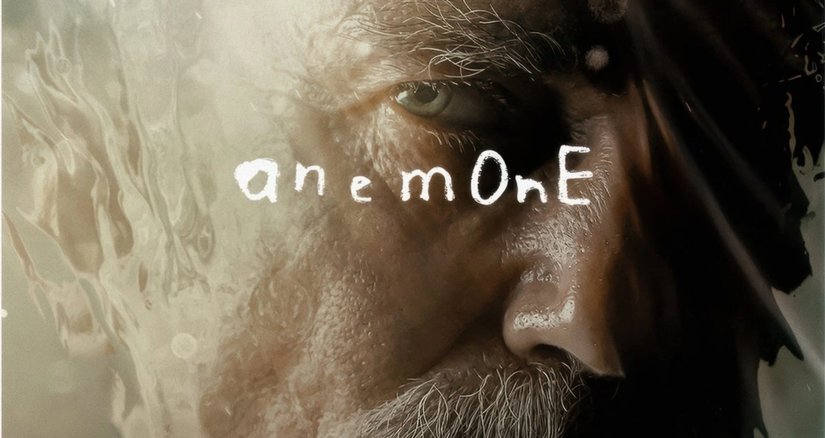
The hauntingly beautiful Anemone marks the directorial debut of Ronan Day-Lewis, who also co-wrote the script with his father, three-time Academy Award winner Daniel Day-Lewis.
In a story as much about silence as speech, the film follows two estranged brothers, Ray (Daniel Day-Lewis) and Jem (Sean Bean), brought together after twenty years by a family crisis. What unfolds is a raw and unflinching exploration of trauma, masculinity, faith, and the invisible injuries of service.
Set against the rugged backdrop of northern England and the lingering shadows of the Troubles, Anemone feels as much like a psychological exploration as a family drama. Ray is a recluse living in self-imposed exile visited by Jem, whose faith and family have become both his refuge and restraint. Their reunion exposes personal and generational wounds of a kind that fester in silence.
Daniel Day-Lewis gives his typical performance of captivating intensity, capturing the fragility of a man fractured by guilt and memory. Sean Bean, meanwhile, gives a deeply human performance of faith tested by the past. In truth, it is the commanding authority and sheer presence of these two actors that carries the film through periods of laborious dramatic visuals and difficult-to-follow, dramatic dialogue to its end.
That aside, a painter's eye is evident in every frame, courtesy of a meticulous Ronan Day-Lewis that has clearly absorbed himself in this world. His use of light and texture turns the wilderness both into a refuge and a mirror for the brothers' emotional turmoil. Not all of them work at times, but the fascinating theatrically and authentic performances grab you by the collar and dares you to look away.
Watching through the eyes of WWTW, Anemone strikes a particularly resonant chord. It challenges the tired stereotypes that too often define veterans on screen, that they are "mad, bad or sad." Instead, it offers a more nuanced truth: that those who struggle after service are often grappling with complex, interwoven challenges that reach far beyond the battlefield. Some of those challenges may predate military life, others may emerge years later; as this film so powerfully shows, trauma rarely exists in isolation.
In a cultural moment when stories of military life can often slip into caricature, Anemone stands apart. Uncompromising yet tender, unsettling yet compassionate. For all its darkness, it leaves you with the quiet suggestion that healing is possible, not through erasing the past but by facing it together.
We were invited to the film’s regional premiere in Harrogate by Kova International, the company behind the UK and Ireland launch of Anemone.

Charity Golf Day raises over £2,700 to support veterans and their families
18 March 2026
1 min read
The successful event was hosted by Westgate and Birchington Golf Club in Kent.
Continue reading
Our 2025 Impact Report is now live
13 March 2026
1 min read
The Impact report looks at everything the charity has achieved in 2025 and celebrates our accomplishments.
Continue reading
Bournemouth veteran taking on Northern Lights Ultramarathon to support WWTW
9 March 2026
1 min read
A Bournemouth-based Armed Forces veteran is set to take on a Northern Lights ultramarathon in aid of Walking With The Wounded.
Continue reading