-
999
If you are suicidal or at risk of harming others call 999.
-
Samaritans
Call Samaritans on 116 123.
This number is free to call from both landlines and mobiles, including pay-as-you-go mobiles.NHS 111
To access medical help quickly that isn't an emergency, contact the NHS out of hours service on 111.
Alternatively, you can visit the NHS website to access information on medical conditions, NHS services and more.
Veteran Mental Health Support
Supporting veterans with mental health problems and emotional wellbeing through our Head Start programme
Mental health and wellbeing support for veterans
For ex-service personnel managing mental health issues, Head Start from Walking With The Wounded provides private therapy sessions without the wait.
We help veterans get support with emotional wellbeing and mental health problems. For example, depression, anxiety, PTSD, or adjustment disorder. Working with the NHS, military charity and mental health charity partners, we provide access to talking therapies through accredited private therapists close to wherever the individual lives.
High quality therapy for veterans, when, where and how it’s needed
We know talking therapies can have a positive impact on people with mental health and emotional wellbeing. Head Start only ever uses therapies that are evidence based and recommended by the National Institute for Health and Care Excellence (NICE). These include Cognitive Behavioural Therapy (CBT) and Eye Movement Desensitization Reprocessing (EMDR), both proven to support improved mental health and wellbeing.
Head Start is a national service that gets ex-Forces personnel rapid mental health support. From the point that you complete our referral and consent form to treatment, we will try to get our clients talking to a therapist within 10 days.
Veterans can receive up to 12 private counselling sessions. For those who prefer face-to-face therapy sessions, they can usually see a therapist within 10 miles of their home. For digital support, we will arrange therapy sessions around our client’s existing commitments to make sure the therapy works for them and their family.
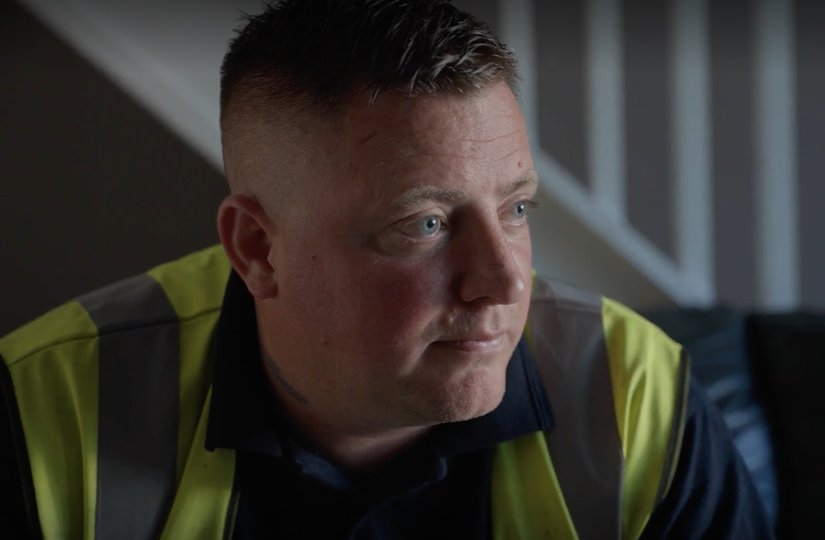
IF IT WEREN'T FOR WALKING WITH THE WOUNDED, I WOULDN'T BE HERE. I WOULDN'T, I JUST WOULDN'T. THEY WERE WITH ME EVERY STEP OF THE WAY. IT'S STILL NOT FINISHED, BUT GETTING THERE. GETTING THERE.
Martin, a WWTW beneficiary
Accessing mental health support is quick and simple through Head Start
It can be tough to get the right treatment at the right time. That’s why we’re working in partnership with accredited therapists, the NHS, the Ministry of Defence and military charities to make sure ex-military service personnel can get mental health support quickly and close to home. Here’s how veterans can get help with mental health:
- Visit NHS Op COURAGE. Op COURAGE offers mental health support for veterans, service leavers and reservists. This service is available across England with each region having a 24/7 single access point. Op COURAGE will make a mental health needs assessment, and if appropriate, they can make a direct referral to Head Start.
- Ex-Forces can also talk with their GP or other healthcare professional to explore NHS mental health support.
- Once discussed with the NHS, if the wait for NHS face-to-face therapy is over 12 weeks, and the mental health need is mild to moderate, a GP or other healthcare professional can refer directly to Head Start through the Walking With The Wounded website.
We’re not able to take on self-referrals. But we will always work with those who’ve served and who need mental health support to get them high quality support as quickly as possible.
- Veterans who went through Head Start had clinical improvement in both anxiety and depression by the end of therapy.
- Head Start led to a sustained improvement in work and social functionality. This is particularly valuable in terms of finding and staying in work.
- Head Start has been shown to improve social function and wellbeing generally, and even where clinical scores have not improved.
Head Start provides mental health support that’s proven to work
For people who’ve served in the military, our Head Start mental health programme is designed to improve mental health and emotional wellbeing. We stay by the side of our veterans every step of the way, helping them better meet challenges in their daily life.
Head Start has been reviewed and evaluated by leading experts at King’s College London, the Centre for Mental Health and Pro Bono Economics who found:
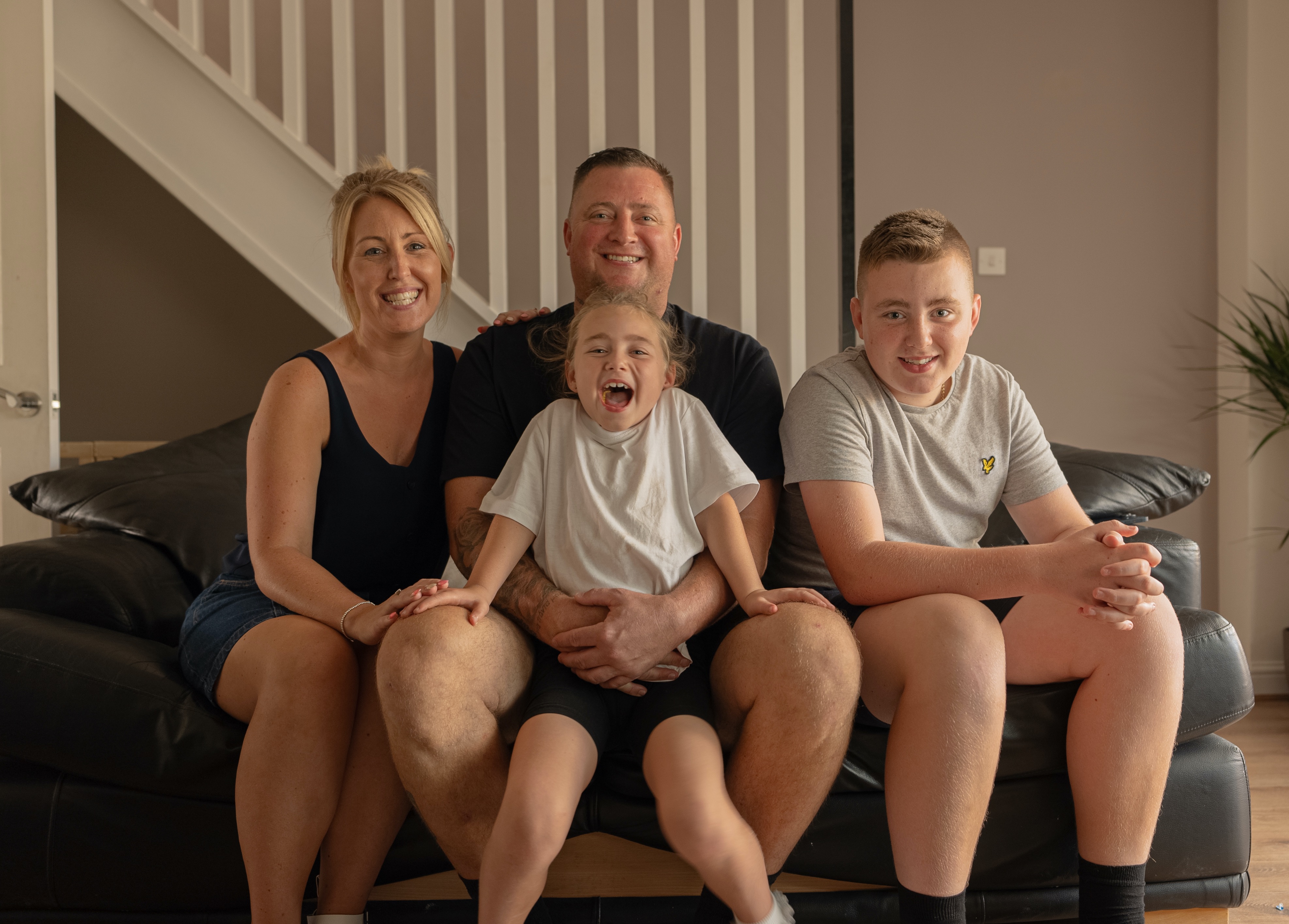

We work with therapists who represent the diversity of our veterans
We want people of all backgrounds to see Walking With The Wounded as an organisation where they are welcomed. It’s part of our ongoing commitment to champion Equity, Diversity and Inclusion.
We understand the importance of building a workforce that includes different lived experiences. This is how we can become more creative and inclusive as an organisation, while we challenge our thinking and widen our reach.
Our commitment to Equity, Diversity and Inclusion is demonstrated through our programmes and partnerships which are designed around veterans and their families, reflecting their diverse backgrounds, including, but not limited to, age, disability, gender reassignment, marriage and civil partnership, pregnancy and maternity, race, religion or belief, sex, and sexual orientation.
We recognise the unique challenges that certain ex-Forces communities may face, which might make them less likely to access NHS services, including our Head Start mental health service. To ensure that we reach those who need our support, we are reviewing our programmes through the lenses of Equity, Diversity and Inclusion. By identifying the barriers and understanding their experiences, we can provide tailored programmes so that all ex-Forces communities feel confident and comfortable in accessing our services.
FREQUENTLY ASKED QUESTIONS
-
-
No, if your referral is approved, you will get 12 sessions free of charge to you.
-
To make sure we’re not duplicating treatment, or giving confusing or conflicting therapy, we prefer people to complete their current treatments before starting with Head Start.
-
Yes, you do not need to have deployed on operations to be referred to Head Start.
-
If you have previously had successful therapeutic interventions such as CBT and EMDR with Head Start, and you think more sessions would help, then we can consider six more sessions. Please make sure your referrer includes ‘top up’ as a key point on your referral.
-
To find out more about our Head Start mental health talking therapy service for veterans, please email the Head Start team: headstart@wwtw.org.uk
-
Head Start supports veterans with common mental health difficulties including depression, anxiety, adjustment disorder and PTSD, offering 12 sessions of therapy. If you require longer term care, for example, your difficulties are more severe and complex, Head Start may not be for you. Please talk to your GP or other health care professional about other types of support.
-
Once you’ve got a place with Head Start, we’ll post you a pack with the consent form. You need to return the form within three weeks, and once we have your consent, we’ll try to get you connected with your therapist within 10 working days.
-
If you are a healthcare professional and want to refer a veteran to Head Start, please email headstart@wwtw.org.uk.
-
Yes, if you’re a veteran and want support with mild to moderately severe mental health issues, even if this is not directly related to your time in the military, you can be referred to Head Start.
-
Please try and give 48 hours’ notice if you can’t make an appointment.
This allows the therapist to offer the appointment to another client. Unfortunately, we can’t fund extra appointments if appointments are cancelled with shorter notice.
-
If you have special requirements, please let us know in advance. Therapy can be challenging and might feel uncomfortable to start, but it does help if you trust and respect your therapist.
You should feel able to be honest with them, so if you have any issues, it’s perfectly acceptable for you to talk them through together. If they cannot be resolved, please inform Head Start.
-