Celebrating 15 years of supporting those who’ve served
27 March 2026
Share this page


5 min read
Fifteen years ago, Walking With The Wounded was registered with the Charity Commission. I’d like to take this opportunity on our 15-year anniversary to thank you, the individuals, businesses and organisations for your vital and continued support over the last 15 years.
You have enabled us to support those who are finding the transition to civilian life the hardest, those facing complex and interconnected challenges. Over the years, our services have evolved to meet the needs of our beneficiaries, and today, they include mental health, employment and wraparound care coordination support.
I am incredibly proud of all our employees, both past and present. The work we do is not easy, yet they continue to create meaningful change. That impact isn’t only felt by those we support; it’s also recognised externally through organisations and awards such as the IPS Gold Award, as well as collaborations and partnerships, including our vital work with the NHS through Op COURAGE.
I’ve taken the opportunity to sit down with our charity founder, Ed Parker, to revisit the last 15 years. Because without Ed, Walking With The Wounded simply would not exist. In our conversation, Ed described Walking With The Wounded as disruptive, hopeful and challenging. In this piece, we discuss how Walking With The Wounded came to fruition, what we’ve achieved, why our charity is needed now more than ever, and what change we would like to see for those who have served in the armed forces.
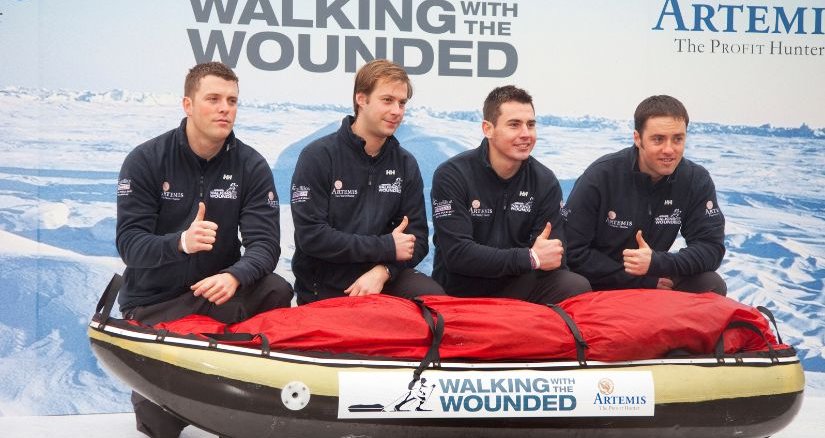
The expeditions were an important part of the history and DNA of the charity and a springboard for what was to come.
Ed Parker, Founder of Walking With The Wounded
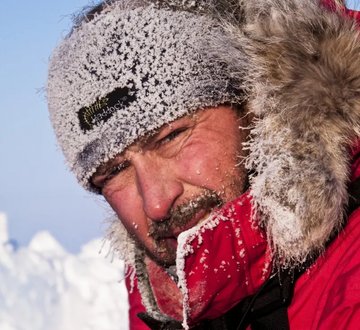
Tony: First of all, Ed, thank you for taking the time out to talk to me today. Let’s rewind 15 years. Can you share how and why you started Walking With The Wounded?
Ed: My nephew Harry, who was serving with The Rifles lost both his legs during service. When I visited him in the hospital, I was struck by the narrative of hope and expectation for the future, rather than what was being portrayed in the media, which was extremely negative, and not the military way.
I started thinking about how we could create a platform to show people what those who served were capable of. We organised an expedition to the North Pole to show people that, despite injuries sustained in service, they could still achieve extraordinary goals and inspire others not to be defined by their wounds, whether physical or psychological. We were incredibly lucky and grateful that Prince Harry joined us, which helped us gain substantial media attention.
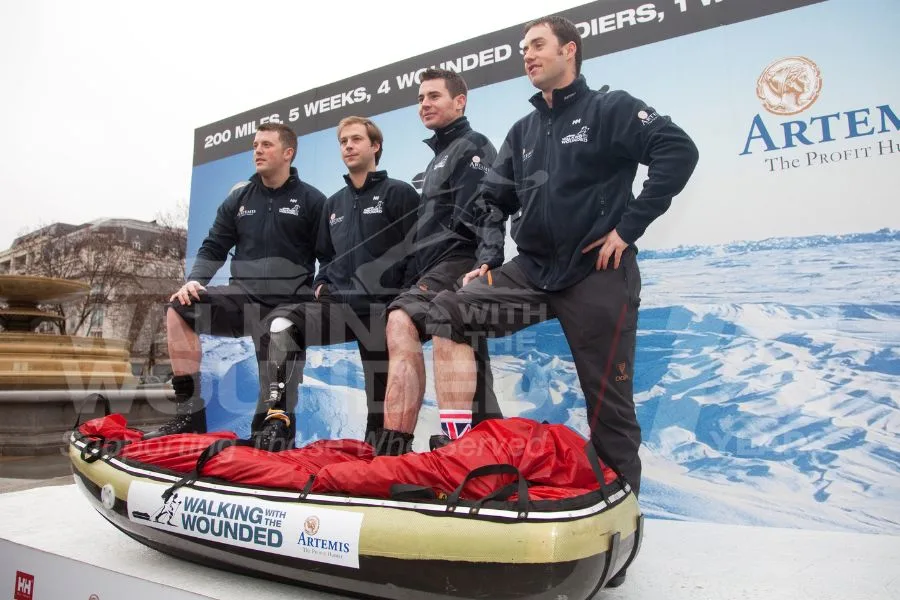
The expeditions had incredible value, but they then became a distraction. The purpose of the organisation was to focus on the care and support of individuals. But there needed to be a balance. The expeditions were an important part of the history and DNA of the charity and a springboard for what was to come.
The reality is we ask a lot of those who serve on our behalf. We should honour and applaud them every single day. And we have a duty to ensure they are supported and cared for post-service. They still have an enormous amount to give.
Tony: I couldn’t agree more. Beyond expeditions, from your perspective, what has Walking With The Wounded achieved?
Ed: To me, what it's achieved is that it still exists! Walking With The Wounded is doing what's needed, and in my opinion, is the progressive future for military charities.
Tony: When you started Walking With The Wounded, what changes did you want to see for those who served in the armed forces?
Ed: We wanted people to understand that those who had served in the military were a national asset. They should be utilised post-service in a far better way, and to show companies that these are people that you should employ.
We also wanted to address the charity sector's isolation from other organisations that offer care opportunities for veterans. It was my belief that military charities should be educating organisations like the NHS on the unique needs and challenges for veterans and then providing capacity which supports the NHS in doing so.
Tony: And we are continuing this vital work with the NHS to this day. From your perspective, why do some people find it harder than others to transition into civilian life?
Ed: You're going from a very structured institution into what some find the chaos of civvy street, and while the large majority navigate it, some find that transition extremely difficult.
Not only is there no structure around them anymore, but the government do not provide a cohesive pathway for them to follow as they leave the military. So those who are struggling to transition don't get the support or guidance they need to move forward with their lives.
Tony: During your time leading Walking With The Wounded, what do you believe were the most defining moments for the charity?
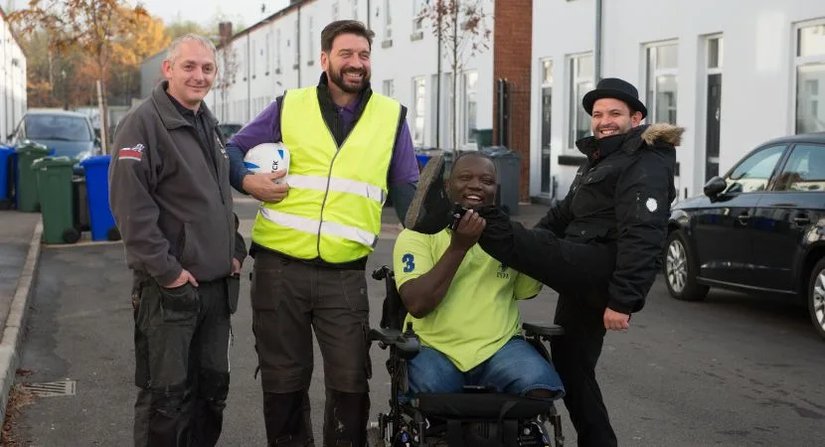
Ed: The first defining moment was the North Pole expedition and the vast media coverage we received. The next defining moment for me is when we opened the Manchester Hub, which was down to my friend Nick Knowles and the BBC’s DIY SOS team. And the third was the way we generated a very close relationship with Kate Davis at the NHS, and the subsequent work (as mentioned above).
Tony: In 2026, why do you believe it is important to support those who have served now more than ever?
Ed: The fact that they've served never stops. As a country, we owe these men and women our support. We must show the citizens of the UK that if you serve, you're going to be looked after.
Tony: What change would you like to see for veterans over the next 15 years?
Ed: Care, community and connectivity. I do feel the biggest miss in the sector at the moment is the lack of digitisation, unlike the system they have in the US. I work very closely with an organisation that connects every single federal, state and nonprofit organisation in the US. Making support easier to access for veterans and their families.
Tony: Thank you Ed, it’s been great to reflect on these last 15 years with you, and thank you for everything you have done for Walking With The Wounded, and the ex-military community.
We are changing lives as we speak, and we've now got the foundations to do more and go further.
Tony Hulton, WWTW Chief Executive Officer
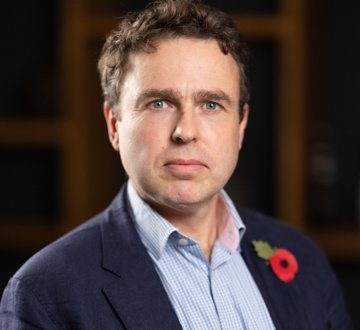
So what’s next for Walking With The Wounded?
We will deepen our focus on the communities that need us most, which means more caseworkers working in the cities and towns where there is a higher concentration of veterans living in deprivation, including the North.
We will also continue to integrate our mental health program, Head Start and our employment programme. This will allow us to address mental health conditions, whilst supporting beneficiaries into stable employment, which empowers them to move forward with their lives.
We have built solid foundations in our first 15 years, but we remain agile and ready to support those who need us most, however they need us.
We are changing lives as we speak, and we've now got the foundations to do more and go further. That's why we need your continued support. And there are many ways you can support us in 2026, including a regular gift.
Finally, on behalf of the Walking With The Wounded team, I want to express my deep gratitude to every individual and organisation that chooses to support the ex-military community. Whether your support is through vital funds or spreading the word to the ex-military community (to help them know that we exist), we are incredibly grateful. And thank you to the businesses, organisations, and policymakers who listen to what we have to say.
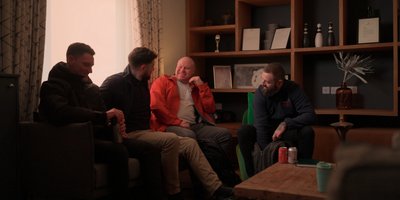
15 years of changing veterans' lives
21 July 2026
2 min read
Walking With The Wounded are proud to have supported more than 15,000 people over the last 15 years.
Continue reading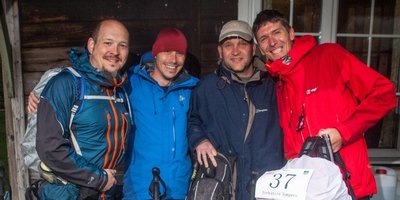
The evolution of Walking With The Wounded's Cumbrian Challenge
21 May 2026
2 min read
Since it was founded, the Cumbrian Challenge has welcomed thousands of dedicated supporters to Cumbria and raised over £2.5 million.
Continue reading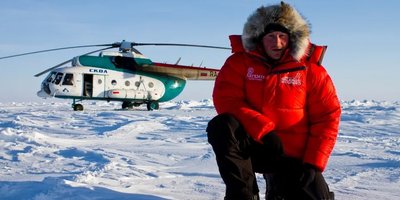
Prince Harry, Duke of Sussex, reflects on 15 years since Walking With The Wounded’s North Pole expedition
20 April 2026
1 min read
April 2026 marks 15 years since a remarkable moment in Walking With The Wounded’s history.
Continue reading