What it means to be an Army Reservist: Martin’s journey this Reserves Day
22 June 2026
Share this page


3 min read
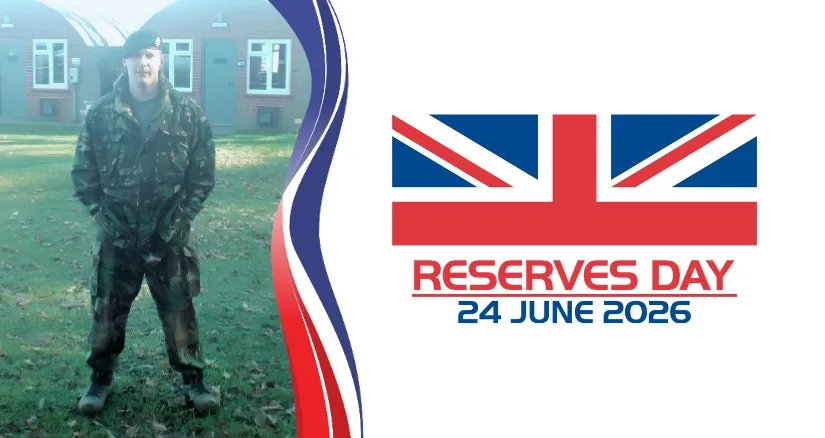
As part of Armed Forces Week 2026, Reserves Day (24 June) highlights the contributions of those who give up their spare time to serve.
Reservists make up around one sixth of the British Armed Forces, supporting operations across the world while balancing civilian careers at home.
For our Event manager, Martin Lynn, that balance has been a reality for several years.
Martin first joined the Regular Army at just 17, seeking structure and discipline as a young adult. In his early 20’s, he made the decision to leave and travel, with plans to return, “I decided to leave, see parts of the world and come back when I was 21 or 22. Those plans changed when I met my wife while working in France.”
“I didn’t intend to join the Reserves – then known as the Territorial Army (TA) - as it was perceived differently in the early 2000’s. Then Operation Telic came around and suddenly there was a mass deployment of the TA. I signed straight up.”
The newly deployable TA meant I could scratch the itch without moving a family around the world.
The challenges of balancing military service with marriage or family life are well documented. Frequent deployments can require families to relocate multiple times throughout a military career. For Martin, the Reserves offered a way to continue serving without that disruption. “The newly deployable TA meant I could scratch the itch without moving a family around the world, I didn’t want to disrupt the connections we’d built at home.”
Martin’s Reserve career began as a Pioneer in The Royal Logistics Corps (RLC), having served for around five years before he requested a posting to 15 North East Brigade Training Regiment where he continued as a Physical Training Instructor in the Recruit Training Team. He later returned to his original unit for a few years before the Pioneers were disbanded and absorbed into the Northumberland Fusiliers and local RLC units.
Speaking about his time being a Reservist, Martin says that it taught him a lot about how much people can surprise you, with the shyest of people completely changing when put into stressful situations, and the most confident sometimes struggling to adapt.
“The Reserves aren’t that much different to the Regulars though. The same mindset is there, and arguably even more so with a Reservist as they must hold down a civilian career too.”
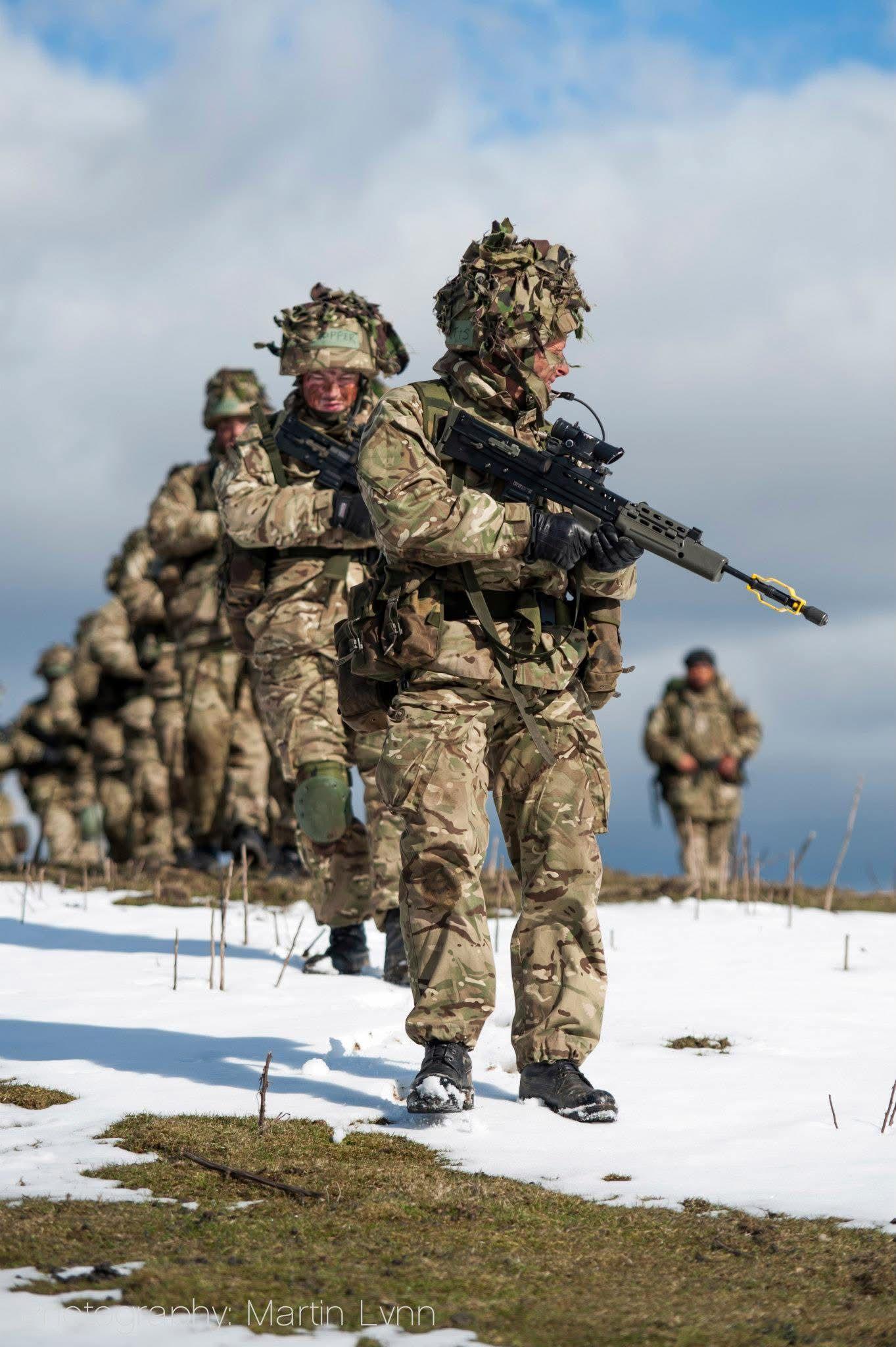
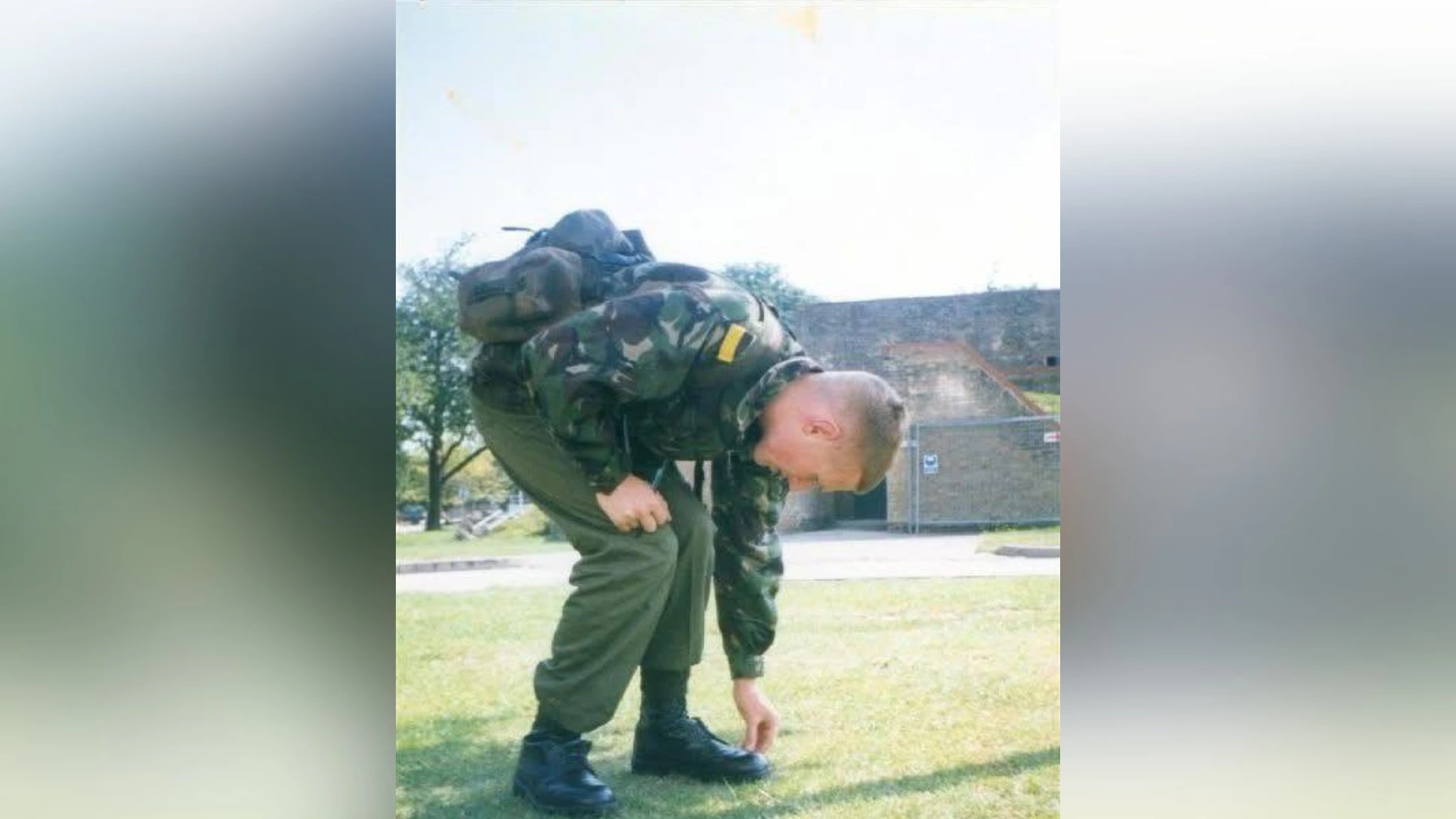
The opportunities to experience new things and meet a whole range of people through the Reserves is something many are grateful for and Martin echoes this sentiment adding that becoming a Reserve is a great opportunity for people to see if the military is a good fit for them before signing up full time.
“Family is extremely important to me and being a Reservist means I can fulfil part of that desire to rejoin the Army, without the need to uproot my family. I also got to combine my photography work with the Reserves which was cool.”
For many Reservists, they find that their work in the Armed Forces provides them with skills that can be applied in their civilian careers, something that Martin very much agrees with. “The military mindset helps you in any role and I personally believe it gives you an edge, or it feels like it does. My role in the recruit training team has helped me a lot in my different careers, as well as the Army’s newer policies of hearts and minds. You had to get good at reading people and figuring out how to make them tick. With recruits, when they’re at their rock bottom you had to figure out what it is they need to get them moving again. Some need stern discipline, some need an arm around them, others need to be put in charge to give them some sort of purpose to draw on. When it’s more operational, or conflict based, you need to learn how to de-escalate effectively or encourage cooperation without being overbearing. I think this is why modern warfare takes a different toll on soldiers compared to conflicts of the past. Modern conflicts are more dynamic with fast switches between combat, peacekeeping and hearts and minds. You can be fighting in a street one day and handing out sweets to kids in the same place the next, it isn’t a case of ‘the enemy is that way’ anymore”
Along with many others, Martin sees Reserves Day as an opportunity to educate people on the importance of the role that Reservists play in the wider Armed Forces.
"There’s still some stigma and misunderstanding about the role of Reservists, but it’s changed so much since the TA days. It’s now much easier to transfer from Reserve to Regular. They help hold up a stretched Armed Forces and then just drop back into civilian life. Reserves Day highlights the importance of the role our Reserve Forces play in the modern world.”
At Walking With The Wounded, we are proud to have both veterans and Reservists amongst our workforce and appreciate the many transferrable skills that a career in the military provides. This Reserves Day, we recognise and thank all those who commit their time and skills to be a member of the Reserves.
WWTW honoured to be chosen as a charity partner for Operation Herrick anniversary timepiece project
22 October 2026
2 min read
The 457 Project is a unique commemorative initiative that honours each of the 457 British service personnel lost in Afghanistan.
Continue reading
WWTW Shortlisted for Northern Ireland Veterans Awards, Charity of the Year
10 September 2026
1 min read
The Northern Ireland Veterans Awards, now in its fifth year, recognise and celebrate the outstanding achievements across Northern Ireland.
Continue reading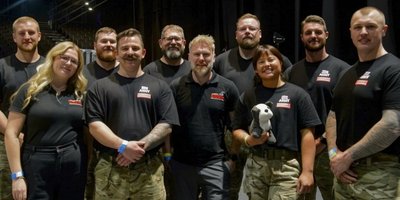
Serving Armed Forces team smash 1,000,000 kg deadlift challenge at Birmingham arena
9 September 2026
1 min read
A 15-strong team of serving Armed Forces men and women deadlifted a combined 1,000,000 kg over 24 hours.
Continue reading